About Stainless Steel Coils
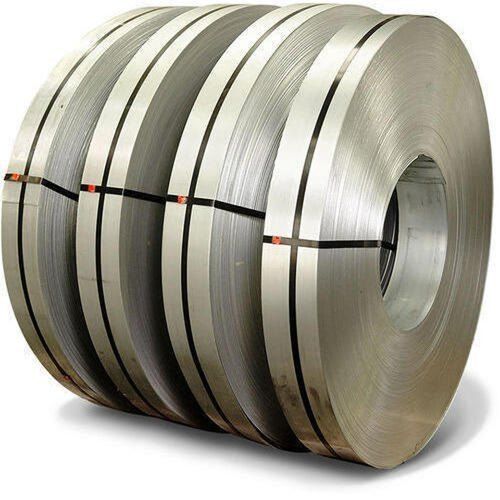
Stainless steel coil is a continuous, coiled sheet of stainless steel that's typically used in various applications, such as construction, automotive, and manufacturing. Its known for its corrosion resistance, durability, and versatility, making it a popular choice in many industries. Diverse Grades for Versatile ApplicationsStainless steel coils are offered in multiple grades to suit distinct requirements. Austenitic varieties like 304 and 316 excel in corrosive and clean environments such as food processing and medical equipment, while ferritic grades (430, 409) provide high-temperature strength and magnetism, making them suitable for automotive and structural uses.
Multiple Surface Finishes AvailableThe appearance and texture of stainless steel coils can be tailored through several surface finishes. Options include the rugged No. 1 finish, smooth and reflective 2B and BA finishes, as well as decorative brushed and embossed patterns. These choices support both practical and design-oriented applications across industries.
Manufacturing and Quality StandardsProduced adhering to ASTM standards, stainless steel coils ensure consistent quality and performance. Precision in thickness, composition, and surface treatment is maintained through advanced manufacturing processes, making these coils a reliable choice for demanding industrial, commercial, or architectural projects.
FAQ's of Stainless Steel Coils:
Q: How are stainless steel coils manufactured to achieve different surface finishes?
A: Stainless steel coils are processed using techniques such as hot or cold rolling, annealing, pickling, and polishing. Each method produces a unique finish-No. 1 for matte and rough, 2B for a smooth look, BA for a mirror-like reflection, and brushed or embossed for decorative textures.
Q: What are the main benefits of using austenitic versus ferritic stainless steel grades?
A: Austenitic grades, like 304 and 316, provide outstanding corrosion resistance and formability, making them ideal for food and chemical processing. Ferritic grades, such as 430 and 409, offer magnetic properties and good high-temperature strength, serving well in automotive and structural applications.
Q: When should I choose a particular thickness of stainless steel coil?
A: The selection of thickness depends on your application. Thicker coils (up to 18 mm) offer enhanced strength for structural components, while thinner options (as slim as 0.4 mm) are suitable for lightweight or formable parts, such as appliance panels or medical instruments.
Q: Where can stainless steel coils be applied across industries?
A: Stainless steel coils are used in a wide range of sectors, including construction, automotive manufacturing, kitchenware, food processing, pharmaceuticals, and chemical industries, thanks to their adaptability in grades, strength, and corrosion resistance.
Q: What process should be followed to maintain the color and surface of stainless steel coils?
A: Routine cleaning with mild detergents and avoiding harsh chemicals helps preserve the natural silver-gray sheen. For specialty finishes, follow manufacturer care instructions and avoid abrasive treatments that could damage decorative surfaces.
Q: How does the composition of stainless steel coils impact performance?
A: The alloying elements-such as chromium, nickel, and molybdenum-determine the corrosion resistance, durability, and heat resistance of the coils. Higher chromium and nickel content, for example, increases resistance to corrosion and enhances overall longevity.




 Send Inquiry


 Send Inquiry
 Send Inquiry
 Send SMS